
When the Address Is the Brand
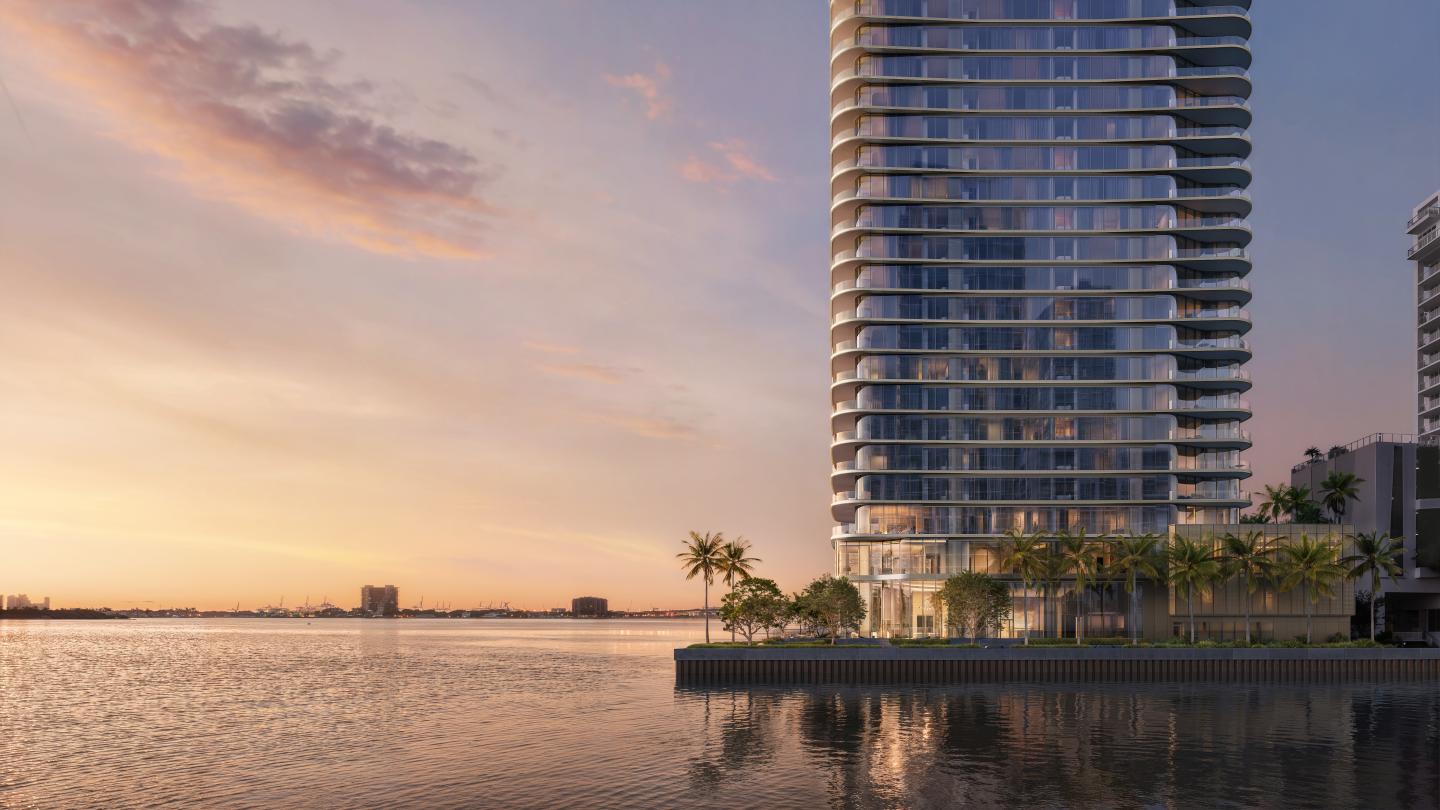
For much of the past decade, the formula for selling the world’s most expensive new residences has appeared remarkably straightforward: begin with an exceptional address, enlist a formidable architect, add the increasingly elaborate amenities expected at the top of the market and place a globally recognizable name above the door.
Hospitality houses led the way. Fashion labels followed. Then came automobile marques, jewelry houses and other luxury names whose identities could seemingly be translated from hotels, tailoring, automobiles or objets d’art into real estate. The result has been one of the most consequential shifts in contemporary residential development, particularly in places such as Miami, where the skyline has become a showcase for branded living.
The phenomenon is hardly receding. Knight Frank’s latest global survey counted 611 operating branded-residence schemes and projects the number will reach 1,019 by 2030, with more than 162,000 residences worldwide. Buyers continue to pay meaningful premiums for properties capable of combining service, privacy, amenities and the reassurance of a respected name.
Yet luxury has always been defined as much by rarity as recognition, and ubiquity inevitably alters the equation. When an increasingly broad range of buildings can promise a familiar logo, what begins to distinguish one extraordinary residence from another?
Across South Florida, an intriguing answer is emerging. A number of the region’s most ambitious new developments are arriving without hotel, fashion or automotive names attached to them. Instead, their identities are being constructed around architectural authorship, developer pedigree, waterfront land, sophisticated interiors and, perhaps most importantly, scarcity.
They are not anti-brand. Many involve architects and designers whose names carry enormous weight among informed buyers, and several incorporate partnerships with established luxury and wellness companies. What distinguishes them is that those relationships support the identity of the building rather than replace it. The residence itself remains the protagonist.
For buyers who no longer require a logo to telegraph what they can afford, that discretion may be precisely the point.
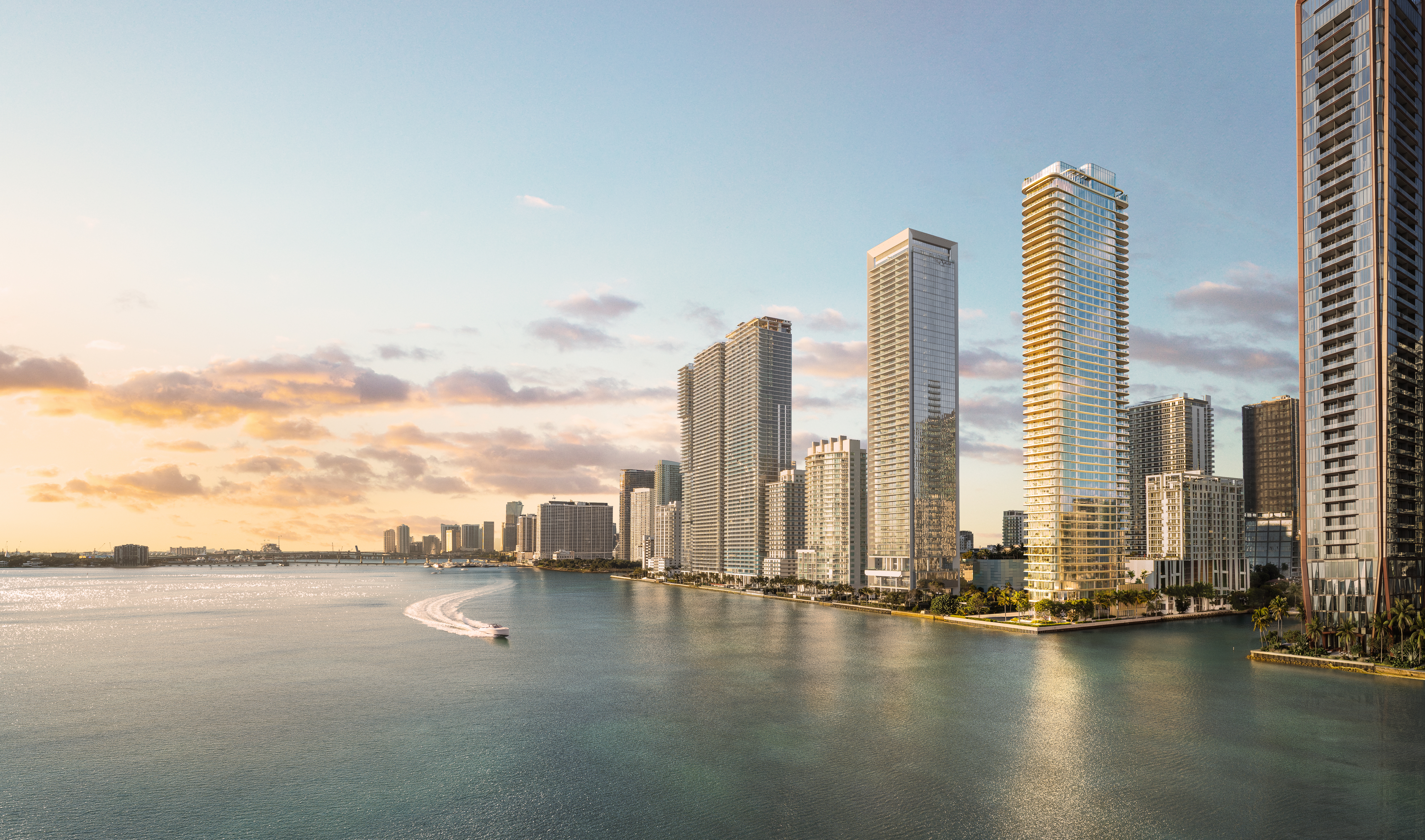
Of all the developments illustrating this changing definition of residential prestige, LILLI may be the most revealing.
The 53-story tower will rise directly on Biscayne Bay in Edgewater, bringing 117 residences to a stretch of Miami waterfront that has become one of the city’s most active luxury-development corridors. The developer is OKO Group, the company founded by Vlad Doronin, whose résumé places him at the intersection of high-end development, architecture, and hospitality. Yet despite that pedigree, LILLI has not been conceived around the identity of an established hotel or lifestyle brand. Instead, architecture supplies much of its authority.
Adrian Smith + Gordon Gill Architecture has given the tower a fluid, curvilinear silhouette, with rounded edges, articulated balconies, and extensive glazing intended to respond to the light and movement of Biscayne Bay. The firm’s portfolio includes some of the most technically ambitious skyscrapers of the modern era, giving LILLI the kind of architectural provenance that sophisticated collectors increasingly recognize as a luxury credential in itself.
Inside, residences extend toward large terraces and sweeping bay, ocean, and city views, while the relatively small number of homes creates an intimacy that is becoming increasingly valuable in Miami. Prices were introduced from $1.65 million, with residences ranging upward to expansive penthouses.
What makes LILLI particularly interesting, however, is not any individual specification. It is the confidence behind the proposition. This is a development associated with people who understand the immense commercial power of hospitality branding, yet the building has been allowed to establish an identity of its own.
Here, the pedigree is the developer. The signature is the architecture. And the brand, ultimately, is LILLI.
All Photos credit Darcstudio.